
Belfast House Prices — Q2 2026
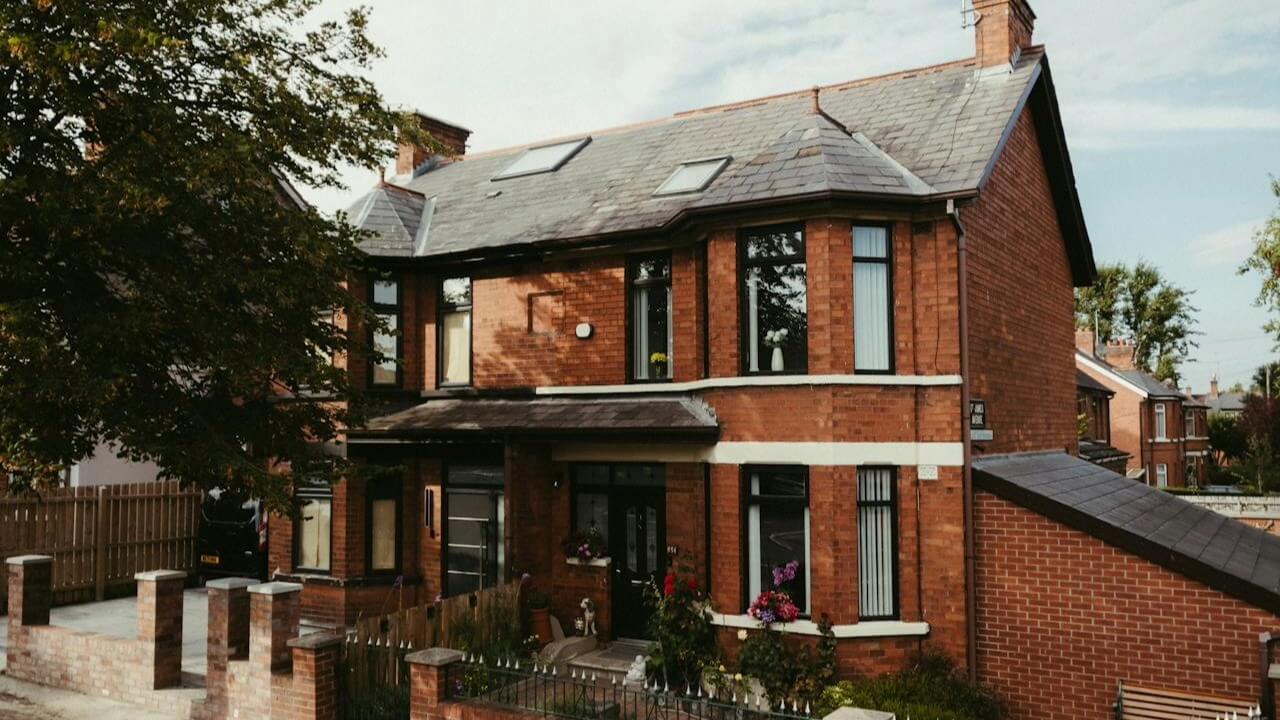
Track average house prices in Belfast from 2017 through to 2026, with forward projections to 2030. Filter by property type, bedrooms, and switch between sales and rental markets to understand how different segments of the Belfast property market are performing.
Pricing Insights
Belfast house prices vary significantly depending on location, property type and size. By analysing localised data, you can compare price growth across different parts of the city and see how Belfast compares with the wider Northern Ireland market.
Understanding Belfast property price trends helps buyers assess affordability, sellers position their property competitively, and landlords evaluate rental yield potential.


What’s Driving Belfast House Prices in 2026?
Several factors are combining to push Belfast house prices upward. Housing supply remains constrained — new build completions have not kept pace with demand, particularly in popular residential areas south and east of the city. New listings across Northern Ireland fell 9% in Q2 2026 versus Q2 2025, compressing available stock. Mortgage rates, while elevated compared to the historic lows of 2020–2022, have broadly stabilised — with the Bank of England widely expected to hold rates, allowing buyers to plan with greater confidence.
Belfast also benefits from a relatively strong local economy, anchored by the financial services, legal, and tech sectors. Remote and hybrid working has widened the catchment area for buyers who previously needed to be city-centre adjacent, increasing competition in commuter villages and suburban postcodes. First-time buyer activity remains high, supported by schemes such as the NI Co-Ownership Housing Association. Buyer enquiries per listing on PropertyPal rose 7% year-on-year in Q2 2026, pointing to continued underlying demand.
Belfast House Prices by Area
Belfast house prices vary considerably across the city's neighbourhoods. South Belfast — covering areas like Malone, Stranmillis, and the Lisburn Road — consistently records the highest average prices, with detached homes regularly exceeding £400,000. East Belfast, including Ballyhackamore and Belmont, has seen strong price growth in recent years as demand from young professionals and families has increased. North Belfast and West Belfast offer more affordable entry points to the market, making them popular with first-time buyers.
According to PropertyPal's Q2 2026 Housing Market Update, the Belfast City Council area recorded an average asking price of £228,736 — up 5.4% year-on-year. Semi-detached properties remain the most active segment, typically achieving sale-agreed status within 45 days in high-demand postcodes. The Botanic and Titanic wards led volume across the city, each recording over 190 agreed sales in the quarter.
Frequently Asked Questions About Belfast House Prices
What is the average house price in Belfast?
According to PropertyPal's Q2 2026 Housing Market Update, the average asking price across the Belfast City Council area is £228,736. Across Northern Ireland, houses average £246,585 while apartments sit at £168,966. Detached family homes in South Belfast significantly exceed the city average, while North and West Belfast offer more affordable entry points for first-time buyers.
Are Belfast house prices rising or falling?
Belfast house prices continue to rise in 2026. PropertyPal's Q2 2026 data shows year-on-year growth of 5.4% across the Belfast City Council area, with Northern Ireland overall up 3.8%. Across the wider region, Fermanagh & Omagh (10.3%), Mid Ulster (7.5%), and Causeway Coast & Glens (7.3%) are seeing the sharpest growth. Suburban areas such as Carryduff and Dundonald.
Which areas of Belfast have the highest house prices?
South Belfast postcodes — including Malone, Stranmillis, Lisburn Road, and Balmoral — consistently command the highest prices in the city. Holywood, Cultra, and Helen's Bay in the surrounding commuter belt also rank among the most expensive areas in Northern Ireland overall.
Is Belfast a good place to invest in property?
Belfast continues to offer strong rental yields relative to other UK cities, particularly in areas close to Queen's University and the city centre. The average rent in Northern Ireland reached £1,013 per month in Q2 2026, with Belfast itself averaging £1,188 per month — up 3.9% year-on-year. The combination of affordable purchase prices relative to other UK markets, steady capital growth, and high rental demand makes Belfast a compelling option for property investors.
Contact
32 Baronsgrange Park
Carryduff
BT8 8LF
Northern Ireland
Belfast Property Areas